
Argentina: Deepening Crisis Weakens Government

One year into the government of Alberto Fernandez, discontent is rising, spurred on by his government’s response to the crisis
One year into the government of Alberto Fernandez, discontent is rising, spurred on by his government’s response to the crisis
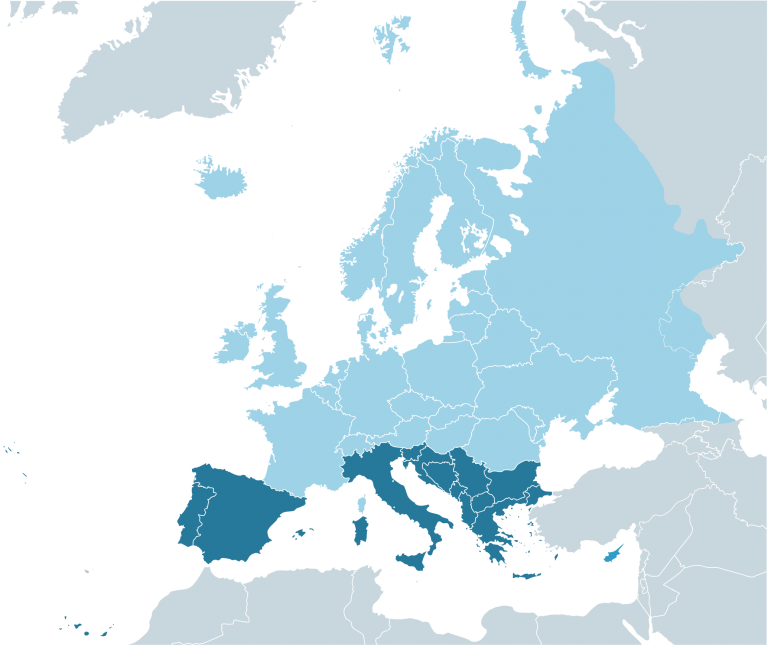
Apart from geographical and cultural similarities, Southern European countries also share, as a key feature, a combined and uneven capitalist development. This laid the basis for structural divisions along broad North-South lines, both at European level and within the countries themselves, with strident socio-economic gaps between different regions (e.g. North-South Italy). These divisions were consolidated and deepened by the process of European integration and the Eurozone in particular. This was most clearly reflected in the Eurozone crisis that started a decade ago, which particularly — although not exclusively (e.g. Ireland) — affected Southern member states. The new EU-wide economic crisis — built upon conditions that were in place before the start of the COVID-19 pandemic — will bring back to surface those divisions in an even cruder fashion along clear class lines. In face of this, the best response will be the international solidarity and coordinated struggle of popular classes across the continent
October 7 is a day of historical importance for the working class, the anti-fascist movement and the social movements in Greece. The trial of Golden Dawn (GD) came to its conclusion and the neo-Nazi organization was convicted for what it is: a criminal gang of fascist thugs and murderers. For the anti-fascist movement, the verdict was a vindication of a struggle that has been going on for years — and even decades. For the tens of thousands of workers and youth who gathered outside the courts it was a moment of great joy — of cheers and chants but also of tears
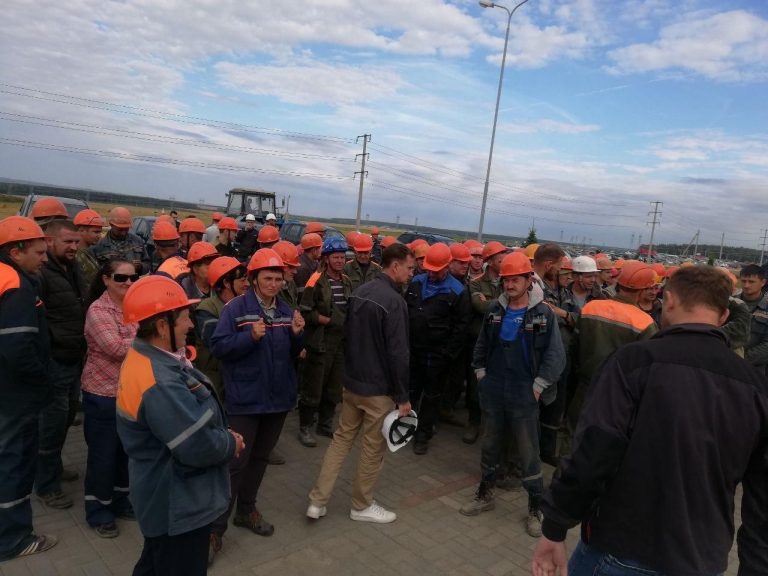
Since the beginning of August, and the declaration of the fraudulent election result that saw Alexandr Lukashenko claim victory, mass protests have rocked Belarus. Protesters have meet violence, repression and arrests. A turning point in the protests, when the police regime was forced to ease its violent repression, came when workers in over a hundred factories set up strike committees and declared strikes. One of the most effective strikes took place at Belaruskali in the city of Soligorsk, where miners produce one fifth of the world’s supply of potash. Following this, five members of the strike committee: Anatoly Bokun, Yuri Korzun, Sergey Cherkasov, Sergey Taras and Pavel Puchenya were arrested and have since been in jail
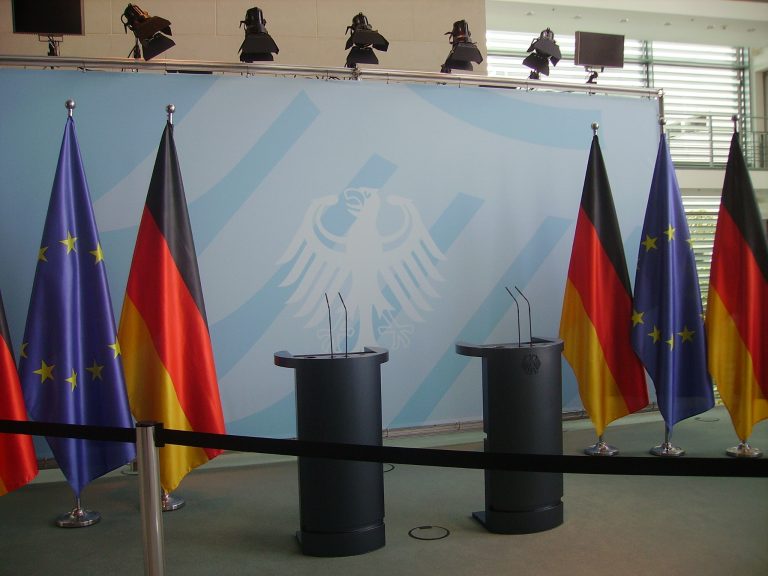
As the greatest crisis of global and European capitalism unfolds, it‘s the turn of the economic powerhouse to take over the presidency of the Council of the European Union. The German government will chair the meetings of the EU, its councils and committees, and represent the EU on an international level. A challenging task, given the extent of the looming crisis that will leave the Euro -crisis of 2010 in the shade
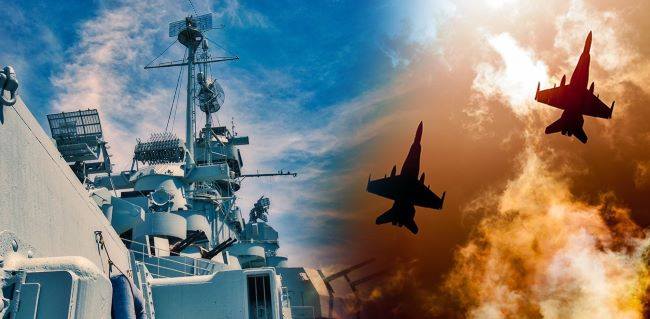
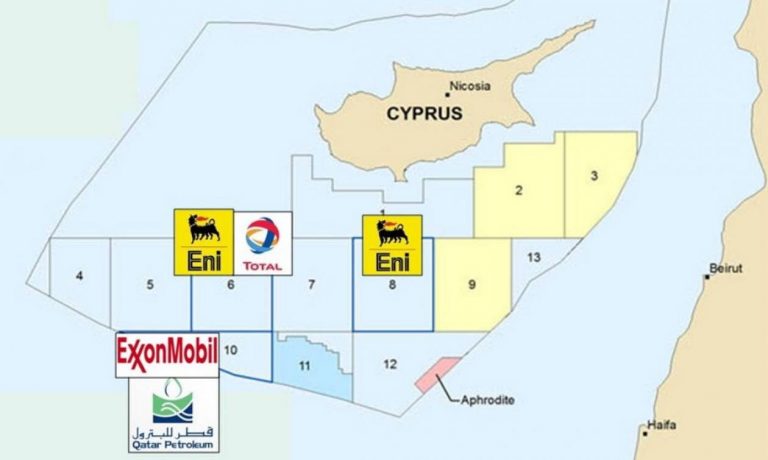
The discovery of hydrocarbon deposits in the Eastern Mediterranean seabed adds another factor to the competition of the ruling classes of Greece, Turkey and Cyprus. Today’s crisis, which has been going on for months, is the worst since the 1974 war, both in terms of how long it lasts and in terms of the dangers it poses
The richer EU states have responded negatively to the demand of the countries of the European south to issue a “Eurobond” or “Corona-bond” to deal with the Covid-19 crisis in Europe. Cancel the Debts!
Climate change is having severe implications for the countries of the Eastern Mediterranean. According to scientists, the temperature of the area is increasing at a much faster rate than the global average and precipitation throughout the region is expected to decline. These factors, combined with the greed for more profit by the ruling elites will have disproportional effects for the destruction of the environment here compared to other areas.